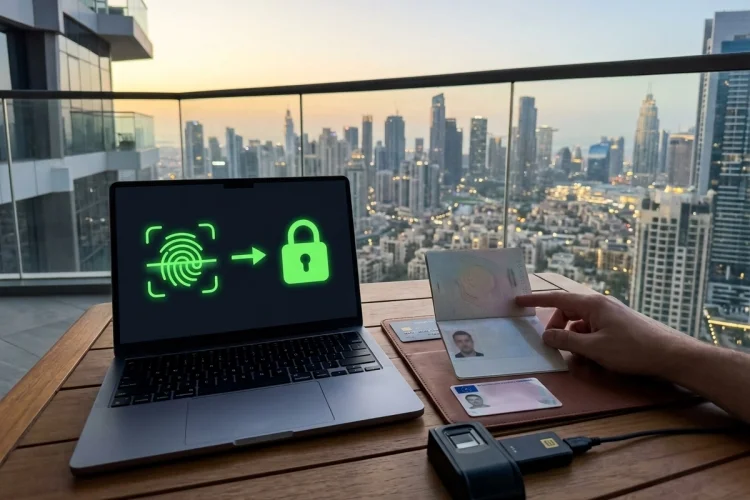
Creating an online casino account may take only a few minutes, but accessing every feature can require an identity check. You might be asked to confirm your name, age, address, or ownership of a payment method before depositing, playing, or withdrawing.
This process is commonly called Know Your Customer, or KYC. Understanding why Verification Is Required at Online Casinos makes the request feel less mysterious, especially when personal documents are involved.
Verification is not simply an extra hurdle created to delay players. At regulated platforms, it supports age controls, account security, safer gambling measures, and anti-financial-crime obligations.
Exact requirements vary between countries and operators, so players should always check the rules that apply in their jurisdiction.
Confirming That Players Meet the Legal Age
Online casinos cannot check a person’s age face to face. They therefore need another reliable method to prevent minors from opening accounts.
In Great Britain, remote gambling operators must verify a customer’s name, address, and date of birth before allowing that person to gamble. The UK Gambling Commission identifies age confirmation as one of the main reasons gambling businesses request identification.
Other regulated markets may use different processes or timing. The main purpose remains the same: confirming that the person meets the minimum legal age.
Confirming the Account Holder’s Identity
A casino needs reasonable confidence that an account belongs to a real person using accurate information. Verification can reduce registrations made with invented names, stolen identities, or another person’s payment details.
Operators may initially compare registration information with reliable databases. When those checks do not provide enough confidence, the player may be asked to upload documents.
This process also makes it harder for someone to impersonate an account holder and request access to their balance.
Supporting Self-Exclusion Controls
Identity checks can help operators determine whether someone has previously excluded themselves from gambling.
A person who creates another account using a different email address should not necessarily be able to bypass a valid self-exclusion. Matching verified personal details gives safer gambling systems a better chance of identifying the individual.
The UK Gambling Commission lists checking whether a customer has self-excluded as another important reason for requesting identity information.
Preventing Fraud and Multiple Accounts
Some people attempt to create several accounts to claim the same welcome promotion repeatedly. Others may use stolen payment cards or identification details.
KYC checks help operators connect an account with a specific customer. They can also identify inconsistencies between the registered name, identification document, address, and payment method.
Verification cannot eliminate every form of fraud. However, it creates an additional barrier and provides records that can support an investigation when suspicious activity appears.
Meeting Anti-Money-Laundering Obligations
Gambling platforms can be targeted by people who want to move or disguise illegally obtained money. Regulated operators may therefore need customer due diligence procedures and ongoing transaction monitoring.
The Malta Gaming Authority explains that licensed operators apply a risk-based approach to money-laundering and terrorist-financing risks. Customer checks may become more detailed when activity presents a higher level of risk.
Depending on the circumstances, an operator may ask about the source of funds rather than only requesting basic identification.
Protecting Deposits and Withdrawals
Verification can help confirm that money is being returned to the correct person. This is particularly important when an account contains a significant balance or when a withdrawal method differs from the original deposit method.
However, verification should not automatically be delayed until a player wins. Under British rules, operators generally cannot request information as a condition of withdrawal when they could reasonably have requested it earlier. New legal obligations or newly identified risks may still justify additional checks.
Why Requirements Differ Between Players
Two customers may not always receive identical requests. One person may pass an electronic database check, while another needs to upload a passport or address document.
Further checks may be triggered by outdated details, unusual transaction patterns, mismatched payment information, or regulatory risk assessments.
A request for additional documents does not automatically mean the player has done something wrong. The operator should still explain what it needs and provide a secure submission method.
Verification Is Required at Online Casinos to confirm age and identity, support self-exclusion, reduce fraud, and meet financial-crime controls. It can also help protect account balances by confirming that withdrawals reach the correct customer.
Before registering, review the operator’s verification policy and prepare accurate personal information. Use only the official website or application when uploading documents, and ask support why a particular item is needed when the request is unclear.
Never send identification through unofficial social media accounts. Choose a legal, regulated platform and complete required checks early rather than waiting until you are ready to withdraw.